This letter, to the people of a small village just east of Oxford, was written by the Vicar when he was visiting the UK in August, reconnecting with ancestors (iwi) through genealogy (whakapapa) and coming home to a very distant place.
Coming Home to Horspath – a letter to the Village Magazine, The Horse’s Mouth.
I came to Horspath in early August this year, carried along by curiosity about a family link with the village and the 46 bus from Oxford. I was in Oxford for a fortnight, enrolled in a Theology Summer School, and a long way from home – Auckland, New Zealand, where I am vicar of the Anglican parish of St Mark, Remuera. The course at Christ Church was invigorating. It brought together clergy from a range of denominations and contexts – and we talked and talked as clergy do – but the first time I got a few hours to myself, I was on the bus from Oxford on the hunt for ancestors.
My family name is Surman. In the mid-eighteen century at least two generations of my forebears lived in Horspath. On 16 October 1781, the earliest of these connections, Richard Surman (b. 1749) married Elizabeth Mallam (b.1747) in St Giles’ Church. Elizabeth was born in Horspath, while Richard was a newcomer to the village, having been born in Stanton Harcourt – with ancestors who for many generations lived in nearby Fyfield. Both are buried in the churchyard at Horspath (Elizabeth d. 1797 and Richard d. 1821).
In 1794 Elizabeth gave birth to twins, Robert and John. I descend through the latter. John married Frances Mary Simpson (b. 1796) in January 1814. Frances gave birth to my forebear, Thomas Kilby Surman the same year. Thomas lost his young mother six years later, in 1820. She is also buried in St Giles’ churchyard.
Thomas moved from Horspath to Leamington in Warwickshire, whence his son, Stephen (b. 1849), departed for New Zealand, arriving in Auckland in April 1874. I will spare you the details of my descent from Stephen, suffice to say that I am a fourth-generation descendant of his, still living in the city he arrived in, only a handful of miles from the suburb of Mt Eden where Stephen and his first wife Selina set up a general store.
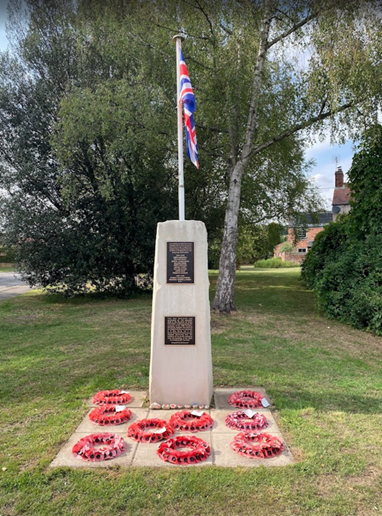
I arrived in Horspath on Wednesday afternoon, 6 August. The first things that greeted me at The Green were car-shaped markings on the road and floral tributes to a young man who died late on 3 August when his car left the road at that spot and hit a telegraph pole. It was a reality check for me – a seeker of those long dead – that life is very fragile as well as precious. I went on from The Green to the war memorial where I noted the name of Frederick Surman (d.1918); I was in the right place.
I went up to St Giles’ Church and looked around the churchyard. On the south side of the church the tomb stones were very worn. I moved to the north side and found my first Surman grave, then another and another – so I knew I was on to something. I moved into the newer graveyard and again found relatives. I’d never been in a cemetery with that proliferation of Surman names. I could not locate the actual graves of my ancestors noted above. From what I can tell, any gravestones of those periods or older – often in limestone – are very worn. I did find one grave, north-west of the church, that linked Surman with Mallam (Henry Mallam Surman, d. 19 August 1929), so I am confident that my forebears are there, but if anyone does have information on where they are laid to rest in the churchyard, I would be pleased to hear from you.
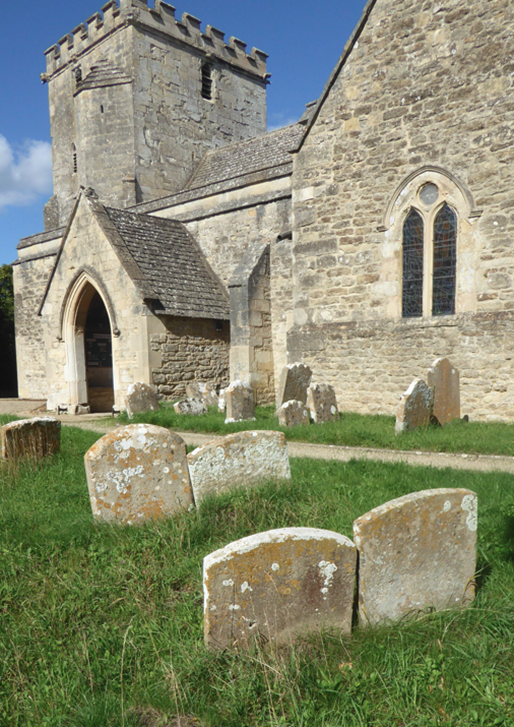
[PS: Brian Lowe, mentioned below, has since located the graves of Richard and Elizabeth Surman, near the front porch of the church].
Figure 3. The head and footstones of Richard and Elizabeth Surman’s grave at the front of St Giles. Photograph courtesy of Brian Lowe.
The following Sunday, 10 August, I returned to Horspath to attend the 11am Communion Service. The bells were ringing out as I approached the church, around 10.40am.
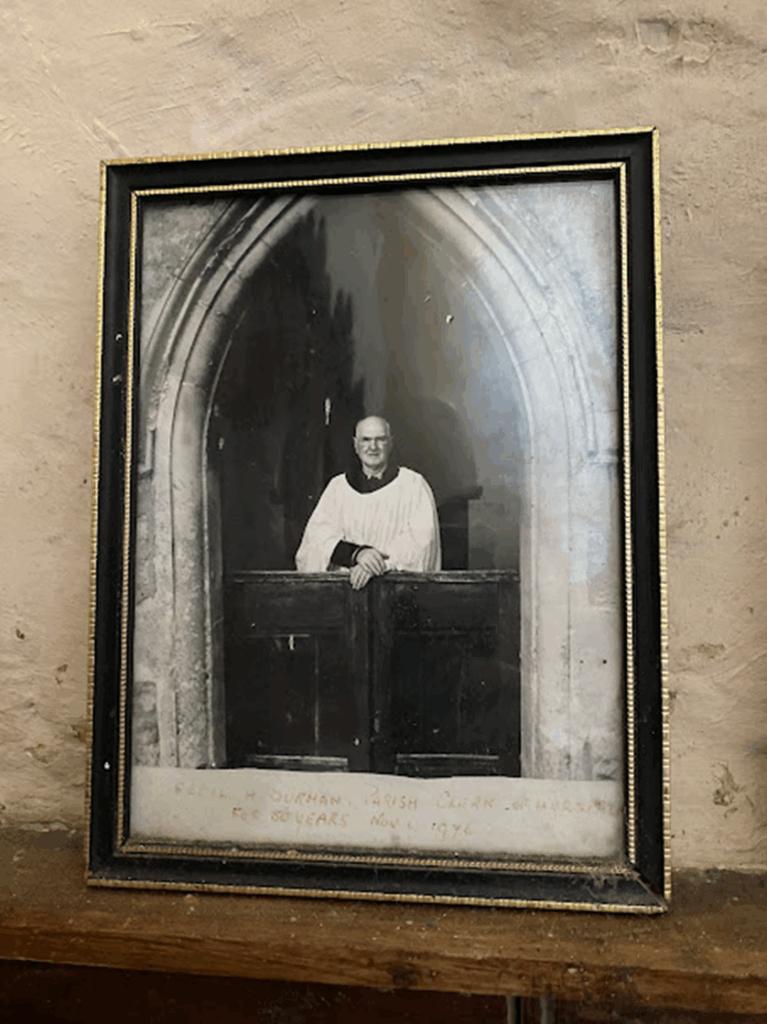
I was greeted by Church Warden, Brian Lowe, and made to feel very at home by the congregation. After the service, I explained my quest to Brian, who generously shared his deep knowledge of the parish with me and pointed me to a photo of Cecil Surman in the bell tower.
Cecil was Parish Clerk for over 50 years – as well as a bell ringer.
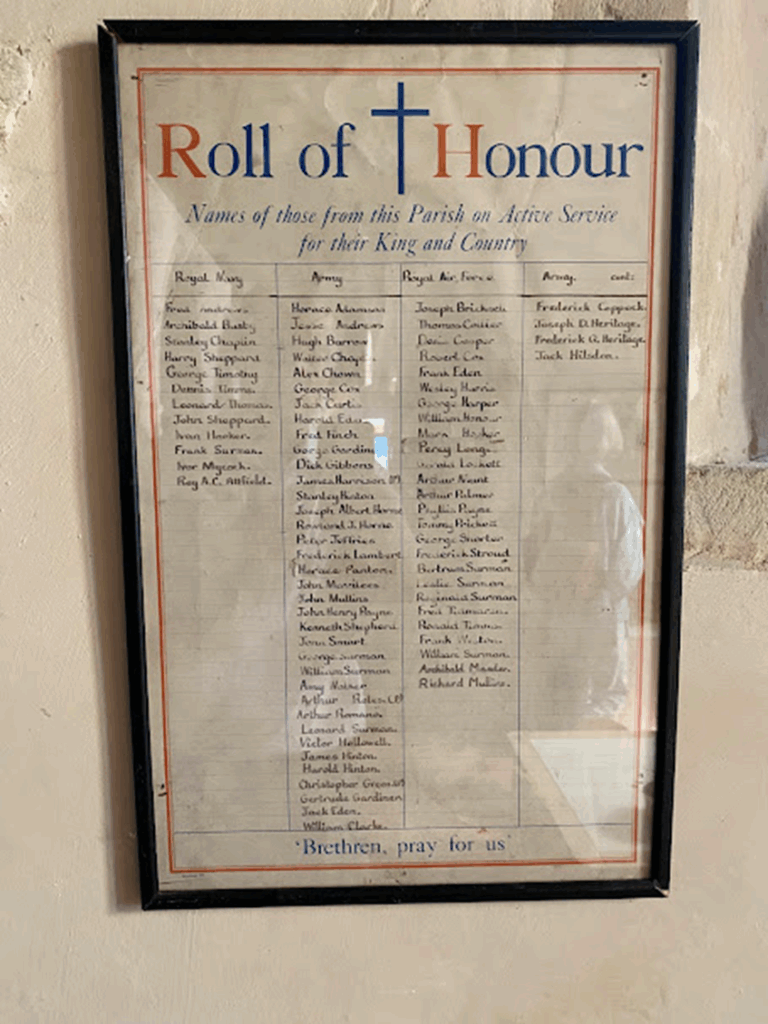
On the list of those who had served in WWII, I saw many Surmans, which concurred with Brian’s observation that Surman is a common name in the Village.
Figure 5. Roll of Honour inside St Giles’ Church. Fortunately, most of these returned after the war.
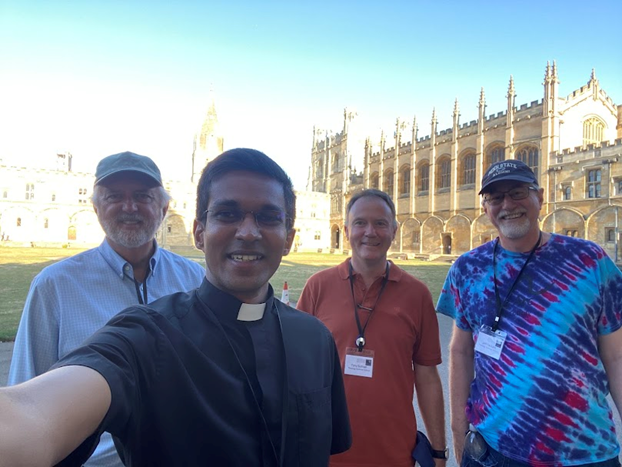
I was smitten – so much so, that I had to come back to Horspath the following week. This time I came with three clergy colleagues – two Americans (one Episcopalian and the other Presbyterian) and a Sri Lankan (Roman Catholic).
I sold the tour to them as an opportunity to visit a genuine English village, a Norman church, and have a drink at the Shotover Brewery – in Oxford we had sampled their wares already. They seemed to enjoy every aspect of the excursion, including the ride on the 46 bus!
Figure 6. Back from Horspath, in Tom Quad, Christ Church, Oxford
But I was not content to leave things there. When my wife, Bernadette, joined me after the Summer School ended, we stayed two nights in the Queen’s Head, exploring Oxford from there one day, and then concentrating on Horspath itself the next, walking through Shotover to Wheatley.
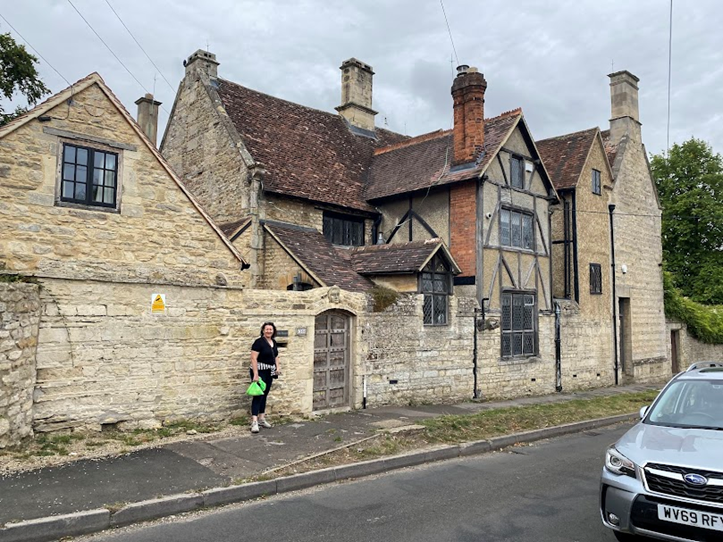
Figure 7. Bernadette alongside one of Horspath’s older residences
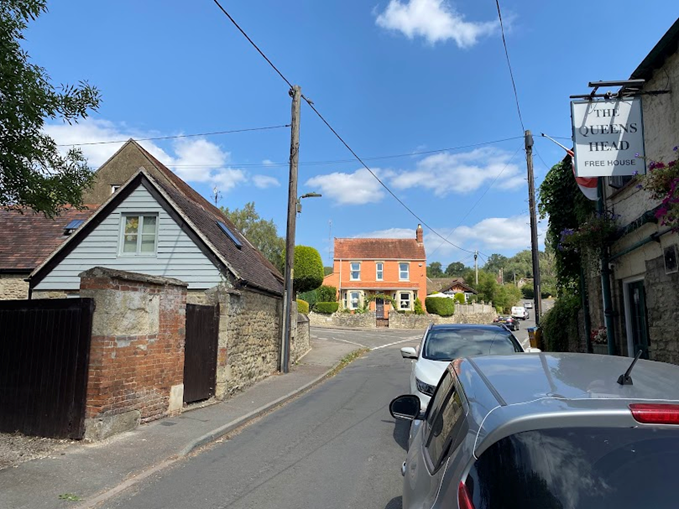
Figure 8. The Queen’s Head on the right, directly opposite the old vicarage and St Giles’ Church
Horspath left a strong impression on me. It felt like home, and I honestly think I could happily live there. But my home now is on the other side of the world, where a whole range of ties and commitments mean I must stay put. God bless you all and remember to drop in and see me at St Mark’s, Remuera, if you are ever down that way. Maybe it will feel a bit like home.
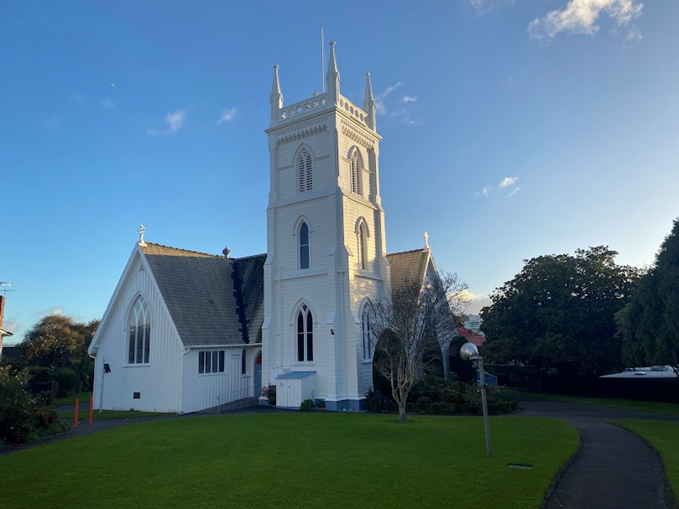
Figure 9. St Mark’s Church, Remuera
The Rev’d Dr Tony Surman, Vicar of St Mark’s Church, 14 September 2025
95 Remuera Road. Auckland 1050, New Zealand. Email: vicar@stmarks.org.nz
Website: www.stmarks.org.nz
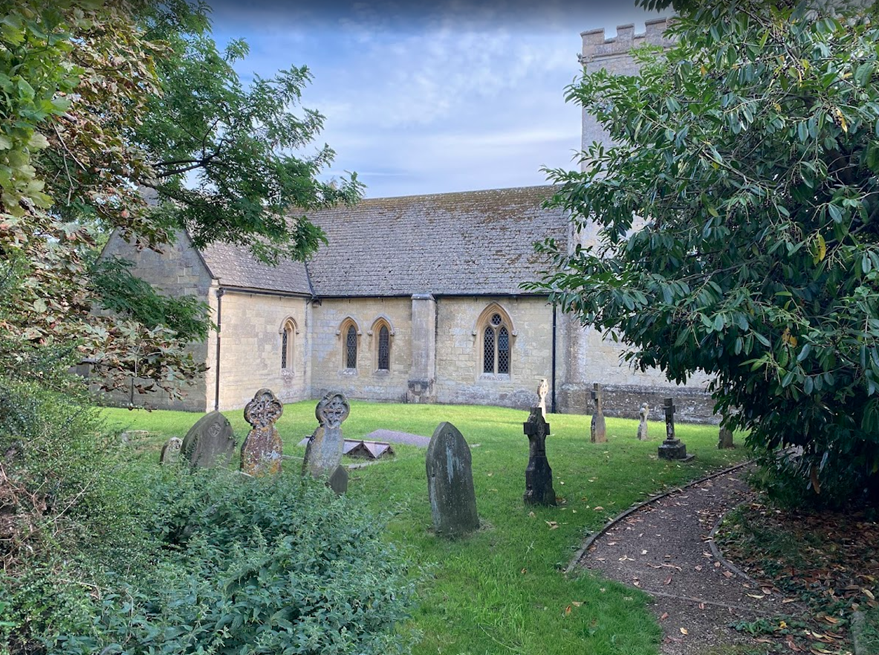
Figure 10. North side of St Giles’ Church, Horspath
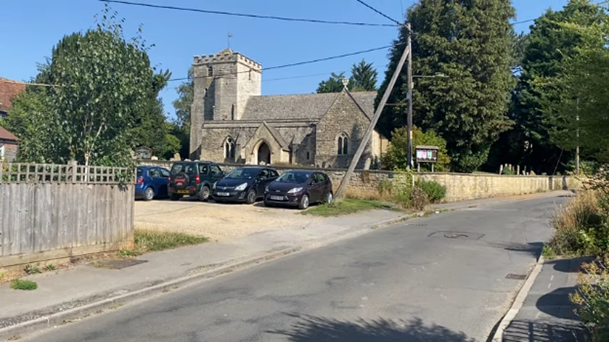
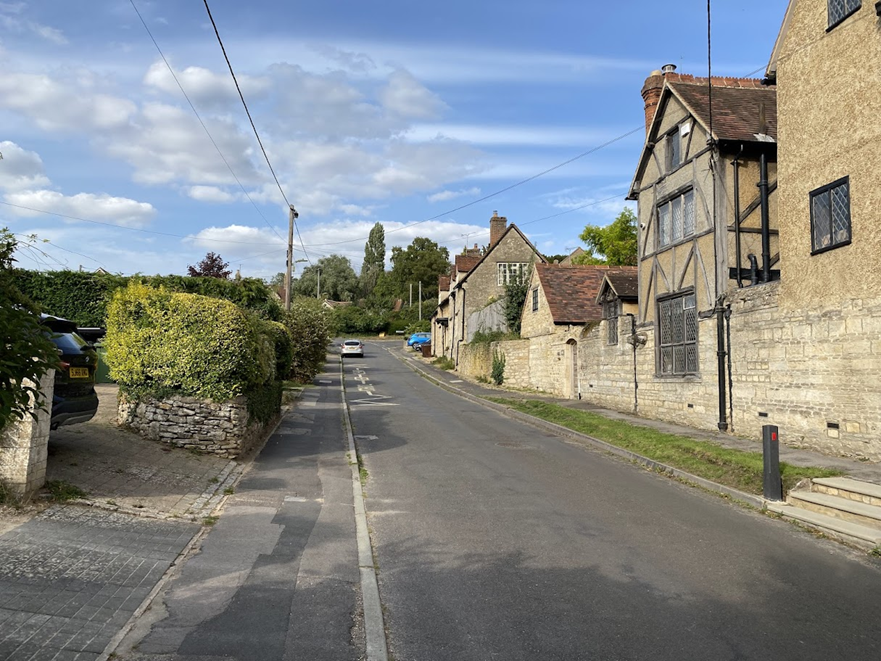
Figure 11. Going up the main road that passes St Giles’
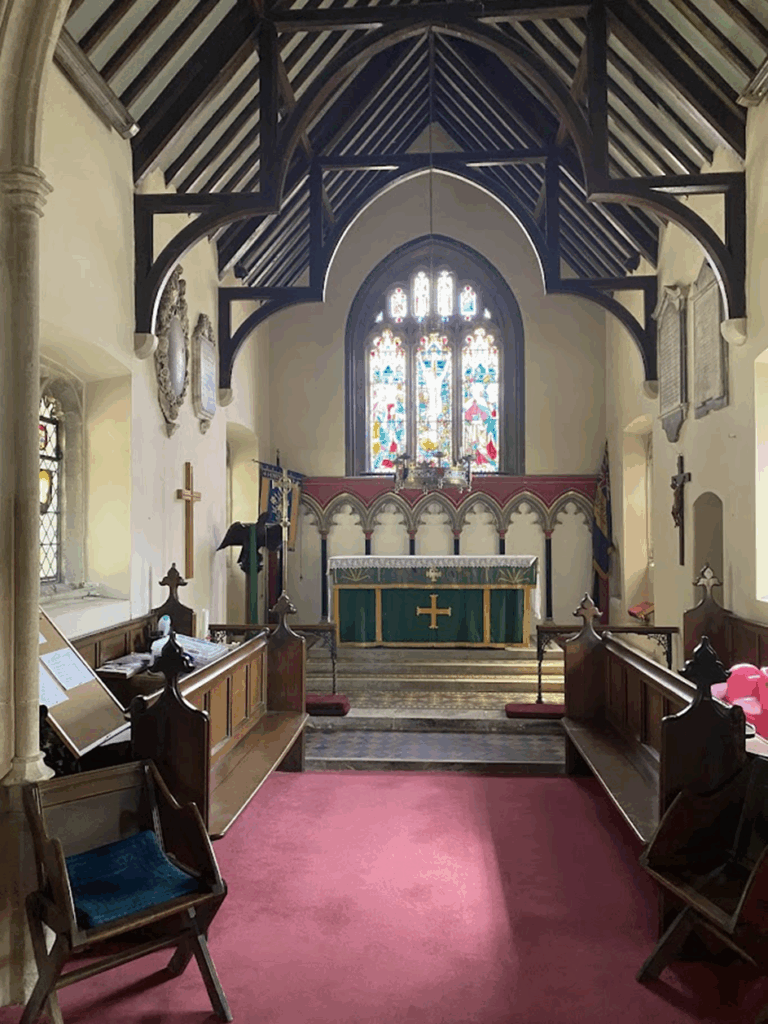
Figure 12. The Chancel and Sanctuary of St Giles’ Church, Horspath, Oxfordshire, England